


Launching a bike share program isn’t just about placing bikes on streets—it’s about building a smart,sustainable mobility
system tailored to your community.Whether you’re a city planner,campus admin,or entrepreneur,this guide walks you through a
modern,tech-enabled launch strategy.
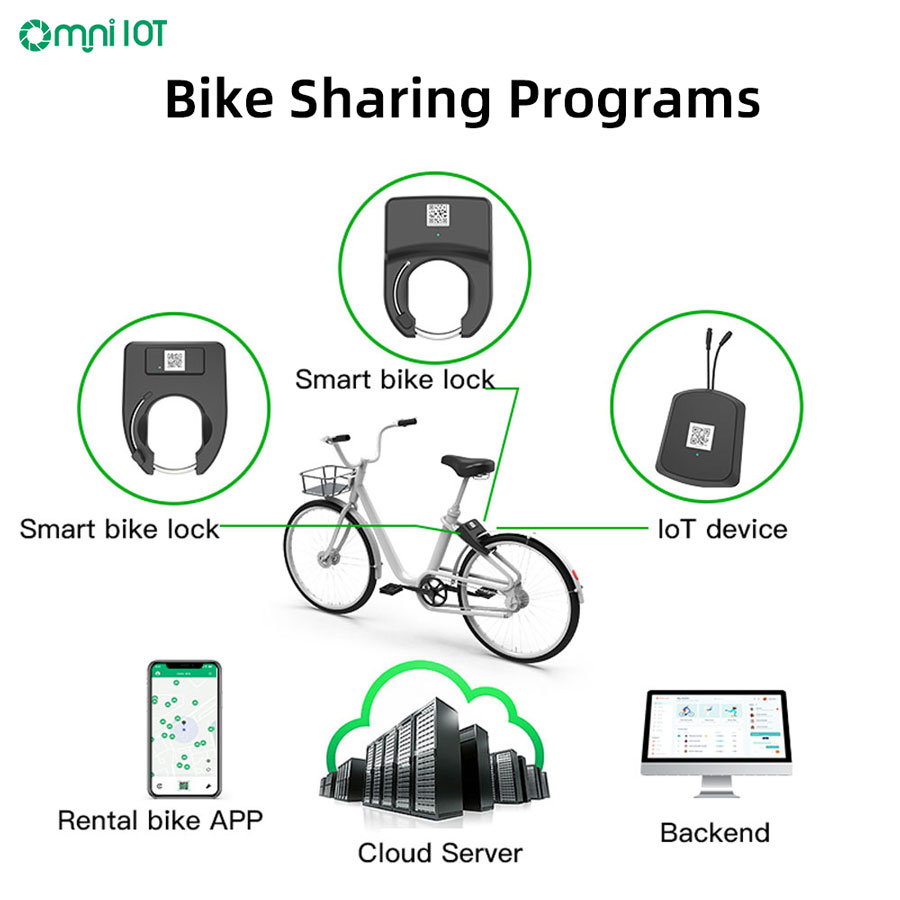
Phase 1: Foundation&Feasibility
Define Your Goals Before Starting a Bike Sharing Program
What problem are you solving?Reducing traffic?Promoting tourism?Who’s your target user—commuters,students,or tourists?
Define what success looks like:daily rides,mode shift,or access equity.
Run a Feasibility Study about Bike Share Business
Survey locals.Analyze transit gaps and traffic patterns.Map ideal deployment zones like campuses,transit hubs,and parks.Evaluate
terrain,infrastructure,and user demand.
Find Partners&Funds
Explore partnerships:city gov,universities,sponsors,or local bike shops.Budget for capital(bikes,docks,tech)and operations(staff,rebalancing,support).Revenue may come from ride fees,sponsorships,and public funding.
Choose Your Model
Docked(more controlled),dockless(flexible),or hybrid?Smart locks with GPS allow virtual stations in dockless or hybrid models—
reducing clutter and enforcing parking rules.
Plan for Tech&Ops
App,payments,GPS,real-time tracking,and backend analytics are essential.Prioritize smart locks to manage parking,theft,and
maintenance data from day one.
Phase 2: Design,Tech,&Partnerships
Get the Right Equipment
Choose durable bikes with IoT technology integrated smart bike locks,GPS,and alarm systems.For docked systems,install solar-
powered kiosks and secure stations near popular destinations.
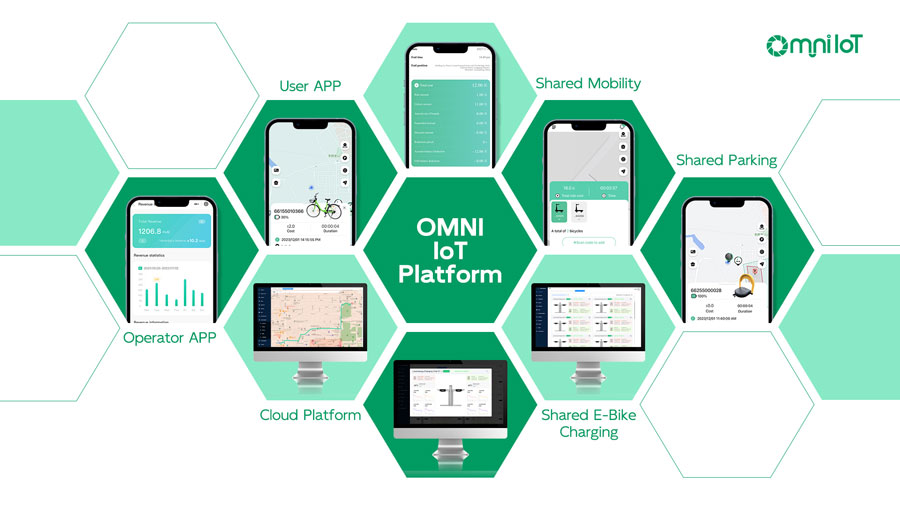
Choose a Strong Software Platform that is Part of Best Bike Sharing Program
Must include real-time tracking,an intuitive user app,operator app,payment gateway,and an operator dashboard for fleet and
maintenance management—fully integrated with your smart bike locks.
Build Partnerships
Work with city governments for permits and bike-lane integration.Secure sponsors for branding and financial support.Partner
with community orgs for outreach and inclusion.
Maintenance Planning of Bike Sharing Program
Work with local bike shops or in-house teams.Smart bike locks with diagnostic data streamline repairs and reduce downtime.
Phase 3: Launch&Operate
Install&Test
Deploy bikes and stations strategically.Run end-to-end tests on hardware,rental bike app,payment,and backend to avoid launch-
day glitches.
Set Clear Policies
Define user terms,helmet policies,and penalties.Use geofencing in smart bike locks to enforce parking zones and reduce street clutter.
Promote Safety&Inclusion
Offer low-income plans and cash payment options.Promote helmet use,the shared bikes can be installed smart helmet locks and
helmets for stable and convenient usage,and riding safety through education campaigns.
Daily Operations
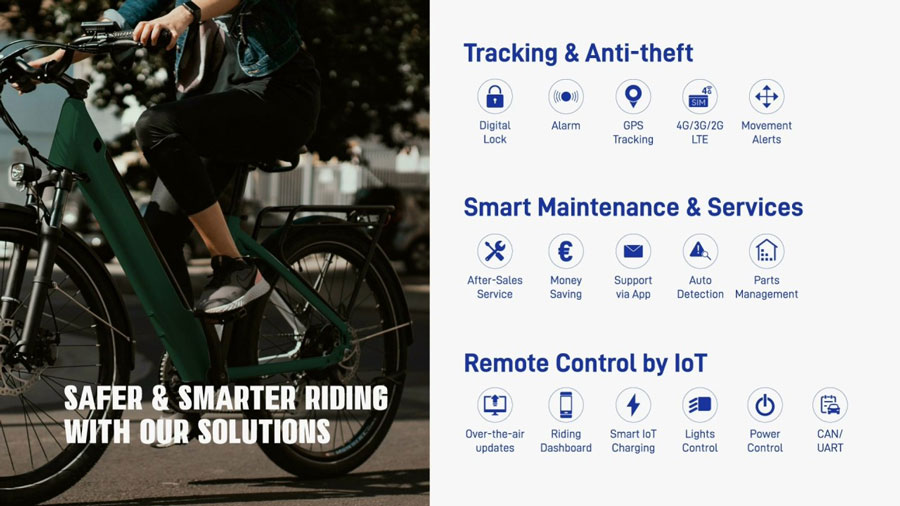
Use GPS data to rebalance bikes across zones and reduce user friction.Maintenance alerts from smart locks help prioritize fixes.
Provide fast customer support for tech issues and lost bikes.
Optimize Continuously
Monitor key metrics like ride volume,revenue,heatmaps,and complaints.Adjust pricing,rebalancing frequency,and service zones
accordingly.
Phase 4: Grow&Evolve
Listen&Adapt
Conduct surveys.Respond to feedback.Expand coverage and improve equity.Publish impact data—rides taken,CO₂saved,car trips
reduced.
Integrate Smartly
List your service on Google Maps,Citymapper,and other local transit apps.Host events and co-branding challenges.Strengthen
community ties and visibility.
Smart Bike Locks Aren’t a Luxury—They’re Your Foundation
Modern bike share programs rely on IoT smart lock technology to prevent theft,ensure compliance,support diagnostics,and
unlock data-driven operations.Without it,operators face many of the challenges that led early systems to fail.