


A Practical Guide Based on Lock Grades,Materials,and Threat Scenarios
Smart bike locks have become an integral part of urban commuting and shared mobility ecosystems.But with rising bike theft cases worldwide,a crucial question echoes among riders,fleet operators,and manufacturers alike:How easily can a smart bike lock be cut?
This article unpacks that question—not with vague warnings or marketing fluff,but with concrete details.We'll break down different types of smart bike locks,analyze their material composition,and show which are more prone to tampering,and which offer true theft resistance.
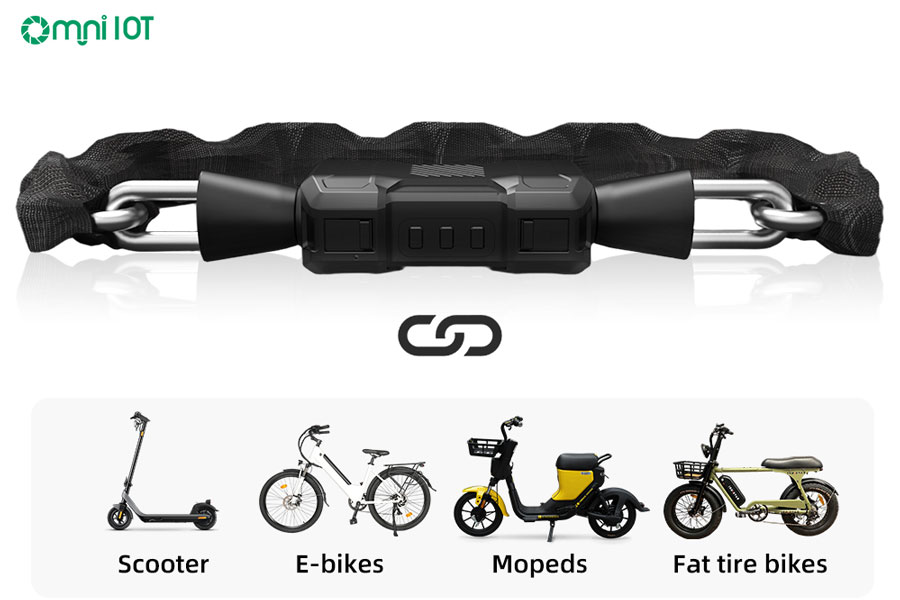
Not All Smart Bike Locks Are Created Equal
Smart functionality—such as app unlocking,GPS tracking,and Bluetooth pairing—doesn't automatically mean better physical protection.In fact,smart locks come in various protection grades,and understanding them is key to making the right choice for personal use or fleet deployment.
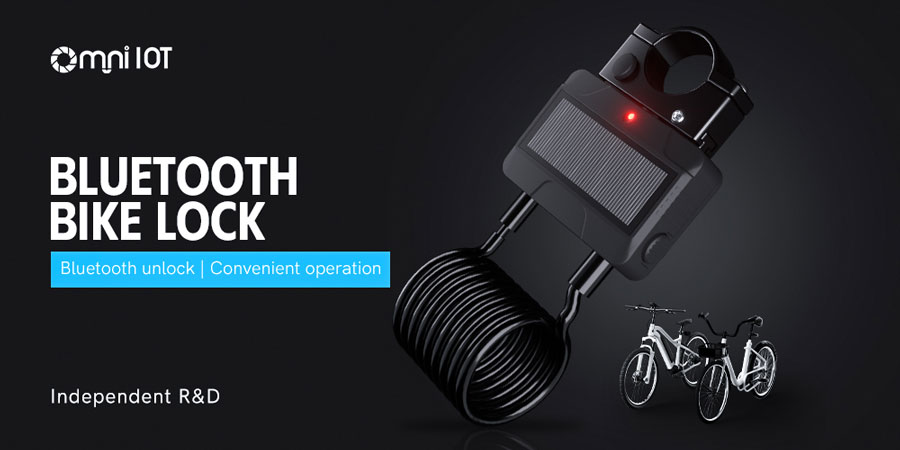
1. Cable-Based Smart Bike Locks: Lightweight,but Vulnerable
Common Materials: Braided steel core with rubber or PVC sheath
Smart Features: Bluetooth unlock,LED indicator,app-based lock history
Average Cutting Resistance:★☆☆☆☆
Cable smart locks are popular due to their flexibility and low cost.But here's the trade-off:
They can be cut with standard wire cutters in under 15 seconds.
Most use 6mm–8mm diameter braided wire,which offers minimal resistance to bolt cutters.
Smart modules(often plastic-encased)can also be pried open if not reinforced.
Best Use Case:Low-risk environments such as indoor storage or short-stay parking zones.
2. U-Lock(D-Lock)Smart Bike Locks:Mid to High Security
Common Materials:Hardened alloy steel or boron steel
Shackle Thickness:12mm to 18mm
Smart Features:Anti-shim design,app unlock,GPS alert,alarm trigger
Average Cutting Resistance:★★★★☆
This type of smart bike lock is much harder to cut,especially when made with heat-treated alloy steel or boron steel.In tests,even 42-inch bolt cutters struggle with 16mm hardened shackles.For the smart segment:
Integrated electronics are often encased in IP65+rated aluminum or steel housing.
Most come with anti-angle grinder coatings and require multiple cut points to fully remove.
Fleet operators and high-value bike owners favor this model,especially when paired with IoT-enabled GPS tracking.
3. Smart Chain Locks:Flexible but Requires Grade-Specific Evaluation
Chain Thickness:8mm–12mm
Material:Manganese steel or heat-treated alloy steel
Average Cutting Resistance:★★★☆☆(Varies with grade)
Smart chain locks balance flexibility and protection.A 12mm manganese chain resists most portable bolt cutters,but anything below 9mm becomes increasingly vulnerable.
Note:Many smart chain locks come with removable modules for wireless unlocking,which should be tamper-resistant and rated IPX6 or higher for durability.
Pro tip:Look for hexagonal chain links—they're harder to grip and cut than round links.
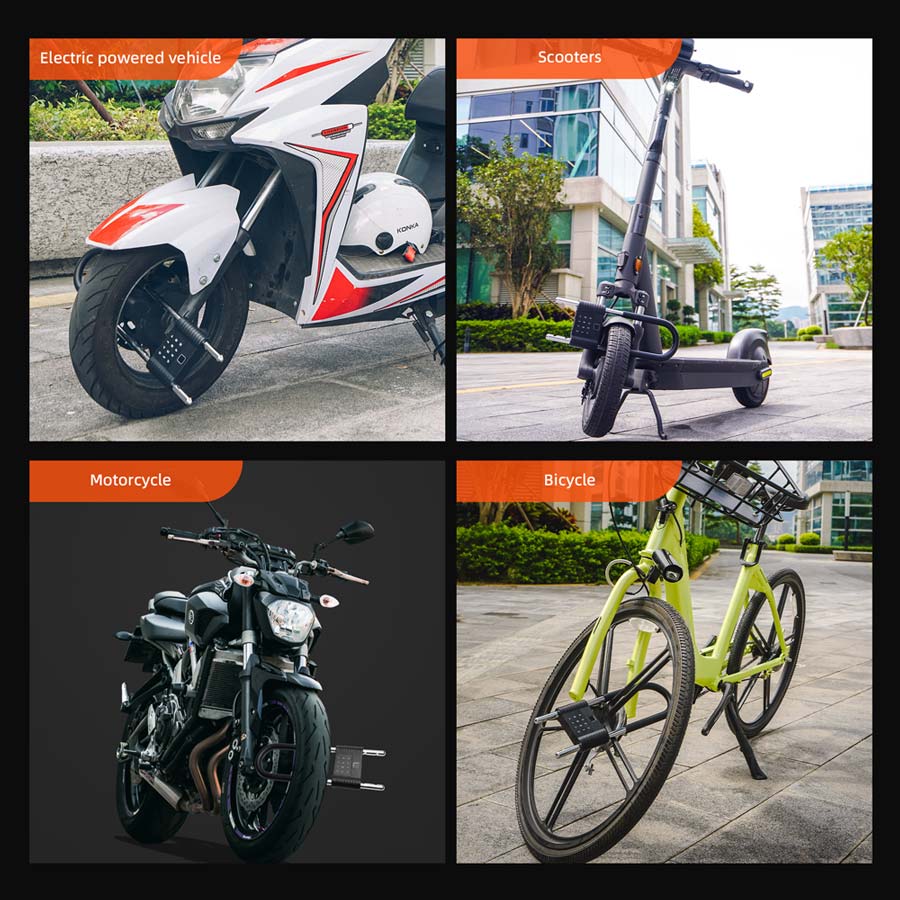
4. Frame-Integrated Smart Bike Locks:Best for Fleet-Grade Anti-Theft
Structure:Built into the bike frame,usually rear wheel immobilization
Material:Steel locking pin(often 10mm+thick)
Tamper Resistance:★★★★★
These smart bike locks are impossible to remove without breaking the bike itself.Often paired with dual GPS+BLE connectivity,these are the standard in shared micromobility fleets.
Additional features are real-time tamper alerts,power cut functions to disable e-bike motor,remote lock via cloud platform.
If you're launching a commercial bike fleet,this is your gold standard for protection.