


As the demand for electric two-wheelers surges,especially in commercial sectors such as food delivery,shared mobility,and vehicle rentals,manufacturers and fleet operators are facing increased pressure to meet evolving regulatory standards.Achieving compliance while maintaining vehicle safety,security,and operational efficiency is no easy task.This is where the IoT GPS tracker comes in—providing a smart solution to meet these challenges quickly and effectively.
What Is an IoT GPS Tracker?
An IoT GPS tracker is an advanced device that combines positioning technology,smart lock functionalities,and data management systems.It enables fleet operators to monitor their electric two-wheelers in real time,improving fleet management while ensuring compliance with legal requirements.These trackers are crucial for manufacturers looking to streamline their operations and bring compliant,secure electric vehicles to market quickly.
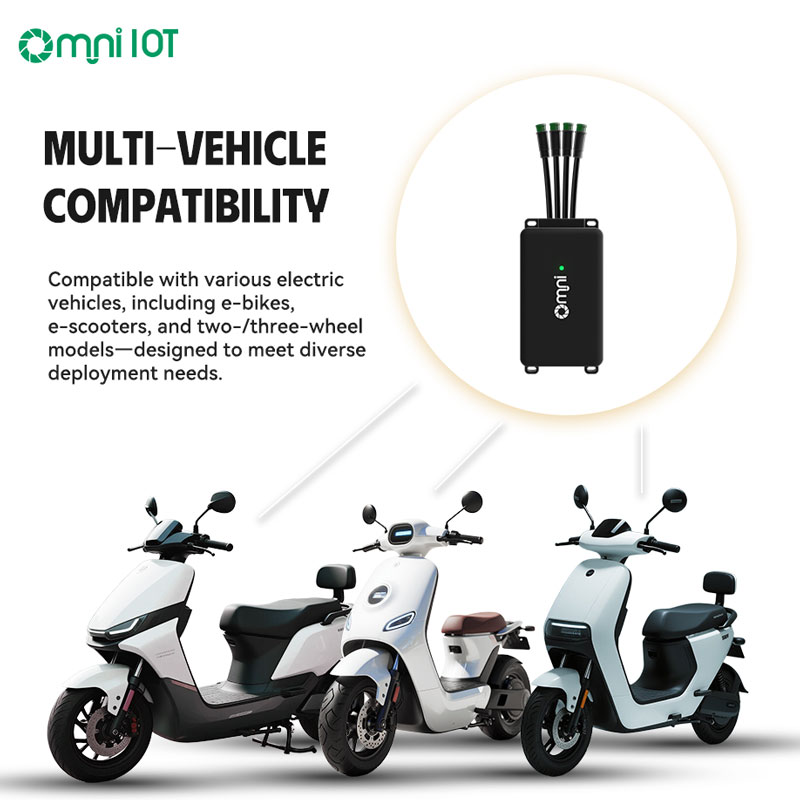
The smart device provides fleet managers with the ability to monitor e-mopeds,e-bikes,and electric tricycles efficiently,ensuring high-level performance,safety,and compliance across all types of vehicles.
What're key features of the IoT GPS Tracker?
Multi-Positioning System
The IoT GPS tracker supports several positioning systems,including GPS,GLONASS,BeiDou,Galileo,and Wi-Fi-assisted positioning,which guarantees precise location tracking.This multi-mode approach ensures reliable tracking of electric vehicles,crucial for regulatory compliance in tracking and fleet management.
Real-Time GPS Tracking
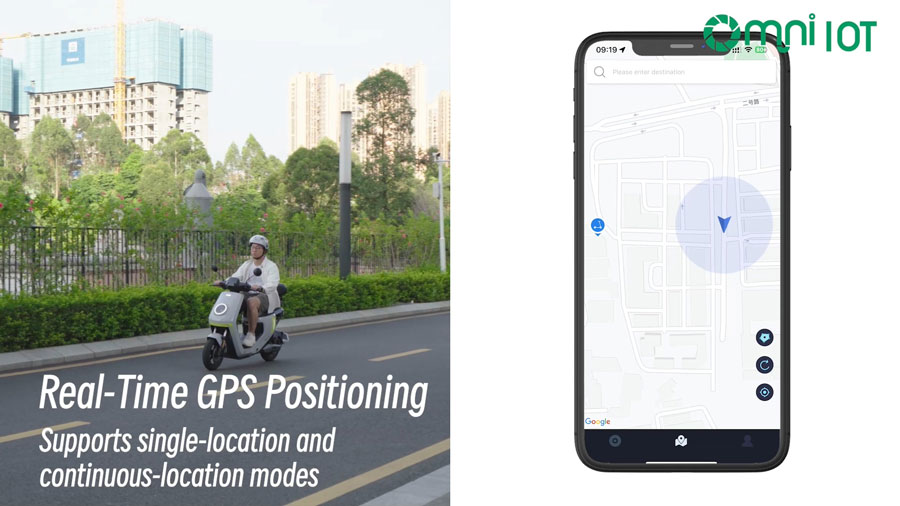
One of the primary features of the IoT GPS tracker is its ability to provide real-time GPS positioning.Fleet operators can monitor vehicles in single-location and continuous-location modes.This feature ensures that vehicles are always within reach for timely interventions,improved route optimization,and better service management.
Smart Locking and Unlocking
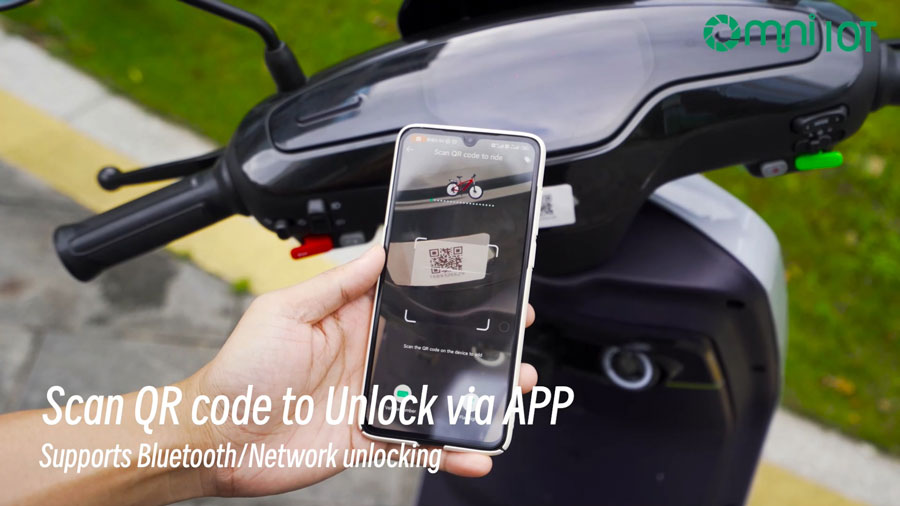
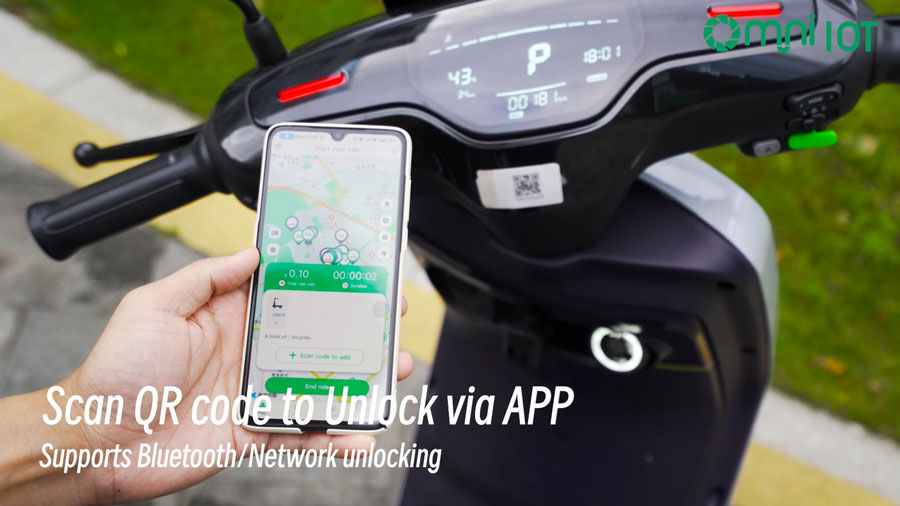
Security is a top priority for shared mobility services.The IoT GPS tracker is equipped with Bluetooth/Network unlocking,enabling users to unlock vehicles remotely using a mobile app(vehicle tracking app).This feature ensures that only authorized users can access the vehicles,improving security and providing a seamless user experience for bike-sharing platforms.
Geo-Fencing and Anti-Theft Alerts
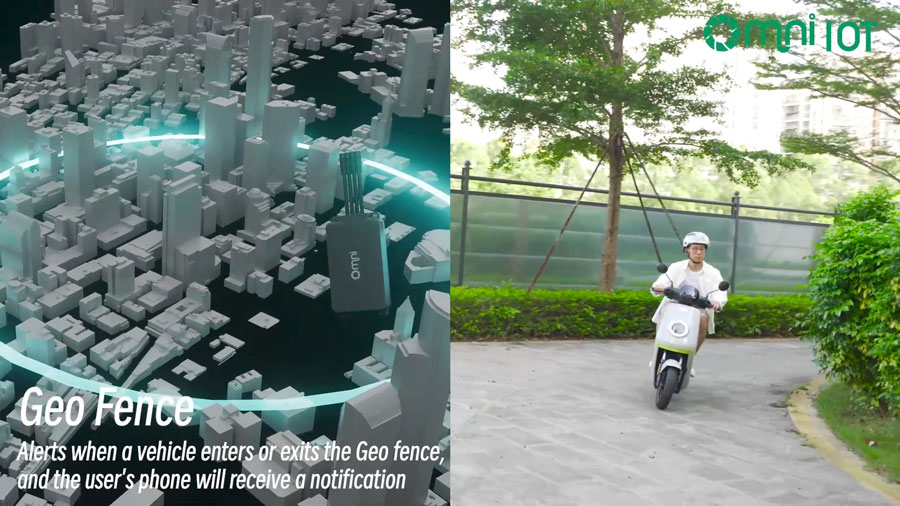
The tracker includes geo-fencing capabilities,allowing operators to set virtual boundaries for vehicles.Whenever a vehicle crosses into or out of these boundaries,the system sends a real-time alert.This feature helps prevent theft by notifying fleet managers immediately if a vehicle moves outside its designated area.
4G and Bluetooth Communication
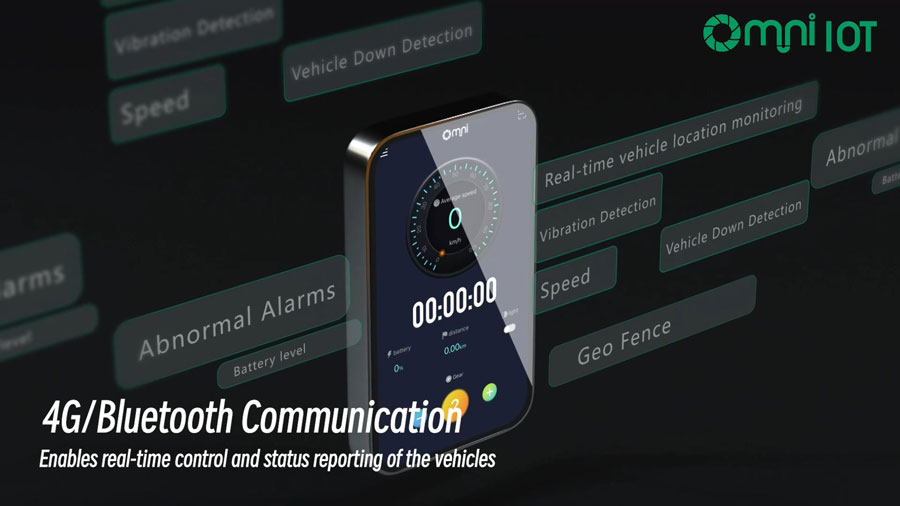
The tracker utilizes 4G and Bluetooth connectivity to enable seamless communication between the vehicle and fleet management systems.Operators can remotely lock and unlock vehicles,access data,and receive alerts on vehicle status,ensuring real-time control and monitoring of fleet operations.
OTA Remote Upgrades
The OTA(Over-The-Air)upgrade functionality is a major advantage of the IoT GPS tracker.It allows manufacturers and fleet operators to remotely update the device's software to stay compliant with new regulations without the need for physical intervention.
Application Solutions for Different Sectors
The IoT GPS tracker is highly versatile and can be used across multiple industries,providing solutions for various operational needs:
Inventory Vehicles
Fleet managers can use IoT GPS trackers to monitor inventory vehicles,track usage patterns,and ensure vehicles are available when needed.
Rental Vehicles
For bike-sharing services,the IoT GPS tracker helps operators monitor fleet availability,track usage,and maintain high fleet performance with real-time updates.
Food Delivery Fleets
IoT GPS trackers are invaluable for food delivery services.They help fleet managers optimize routes,track delivery progress,and ensure timely deliveries while maintaining vehicle compliance and security.
Fleet Management
The IoT GPS tracker streamlines fleet management by providing real-time data on vehicle locations,status,and security.Fleet operators can use this data to optimize routes,ensure vehicle availability,and improve overall operational efficiency.