


This article mainly introduces the common challenges of traditional cabinet locks and how OMNI's multi-access smart cabinet lock addresses them with three flexible unlocking methods: password, RFID card, and fingerprint recognition. Supporting individual or combined access configurations, the smart lock provides convenient and adaptable access options for smart lockers, office cabinets, parcel lockers, and commercial storage applications.
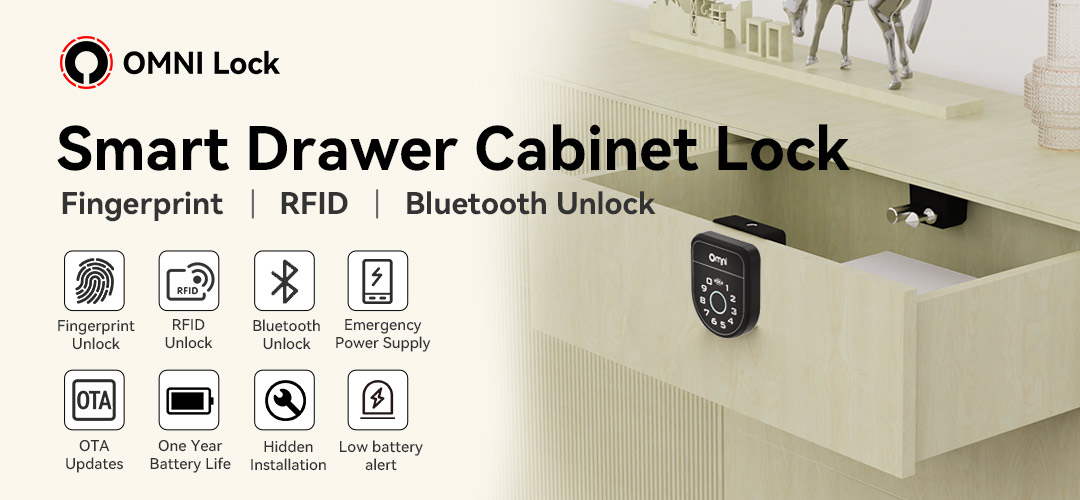
Why Are Traditional Cabinet Locks No Longer Enough?
As smart lockers become increasingly common in offices, residential buildings, commercial spaces, parcel delivery systems, and shared storage facilities, traditional mechanical locks are struggling to meet modern access management requirements.
Traditional cabinet locks mainly rely on physical keys, which can easily be lost, duplicated, or shared without authorization. Managing keys for hundreds or even thousands of lockers can also increase daily maintenance costs and create additional management challenges.
At the same time, different users have different access preferences. Some prefer entering a password, while others find RFID cards or fingerprint recognition more convenient. A single unlocking method may not be suitable for every application.
To address these challenges, smart cabinet locks with multiple access methods offer a more flexible approach to locker security and access management.
3 Common Challenges in Traditional Cabinet Management
1. Key Management Is Time-Consuming
Traditional mechanical locks require physical keys for daily operation. Lost keys, forgotten keys, and unauthorized key duplication can create security risks and additional replacement costs. For facilities managing multiple lockers, key distribution and recovery can become increasingly complicated.
2. Single Access Methods Limit User Convenience
Different users have different access habits and requirements. Password-based access, card-based access, and biometric identification each offer different advantages. Relying on only one unlocking method may not provide the flexibility required in modern locker applications.
3. Security and Access Control Need Improvement
In shared environments, locker access needs to be managed carefully. Physical keys can be transferred between users, making it difficult to control who can access a particular cabinet. More flexible authentication methods can help improve access management and reduce unauthorized use.
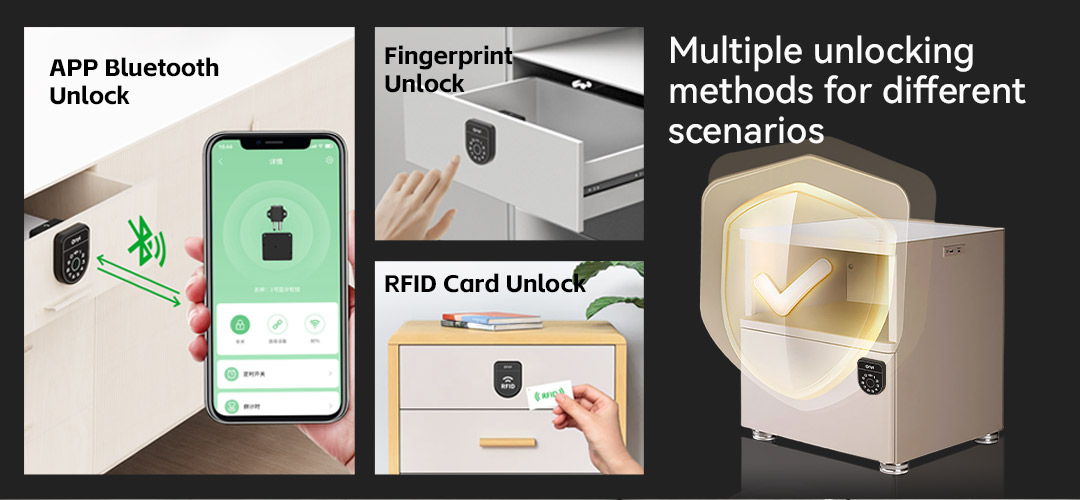
OMNI Multi-Access Smart Cabinet Lock: Three Flexible Unlocking Methods
Designed for modern cabinet and locker applications, OMNI's smart cabinet lock supports three different unlocking methods: password, RFID card, and fingerprint recognition.
Users can select a single unlocking method or combine different methods according to their project requirements, providing greater flexibility for different applications.
1. Password Unlocking via Touch Keypad
Users can enter a password directly through the touch keypad to unlock the cabinet, eliminating the need to carry physical keys or access cards.
This method is particularly suitable for personal storage lockers, office cabinets, and shared storage facilities where convenient access is important.
2. RFID Card Unlocking
The RFID access function allows users to unlock the cabinet by presenting an authorized RFID card.
It provides a convenient access option for environments where users already use access cards for daily activities, such as offices, schools, gyms, and commercial facilities.
3. Fingerprint Recognition Unlocking
With fingerprint recognition, users can unlock the cabinet through biometric identification without remembering passwords or carrying additional access devices.
This method offers a convenient access experience and is suitable for applications where personalized access is preferred.
Flexible Access Combinations for Different Applications
One of the key advantages of this smart cabinet lock is its flexible access configuration.
Instead of requiring every project to use the same unlocking method, the lock supports individual or combined access methods based on actual application requirements.
For example:
- Password only: Suitable for personal lockers and simple storage applications.
- RFID card only: Ideal for offices, schools, and shared facilities.
- Fingerprint only: Suitable for personalized access scenarios.
- Password + RFID card: Provides two alternative access methods.
- Password + Fingerprint or RFID + Fingerprint: Offers additional flexibility in access management.
This flexibility allows cabinet manufacturers, system integrators, and project operators to configure access methods according to different user groups and application scenarios.
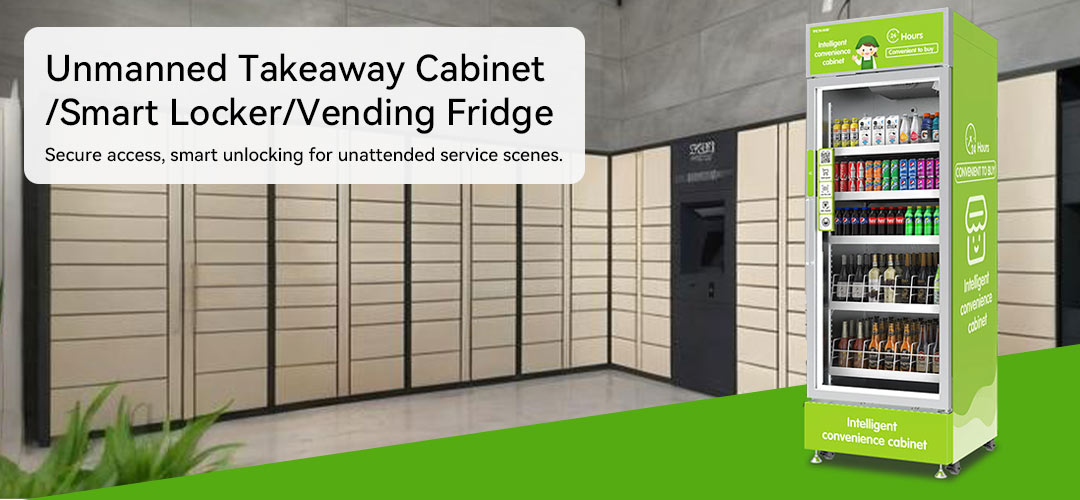
Wide Applications Across Different Industries
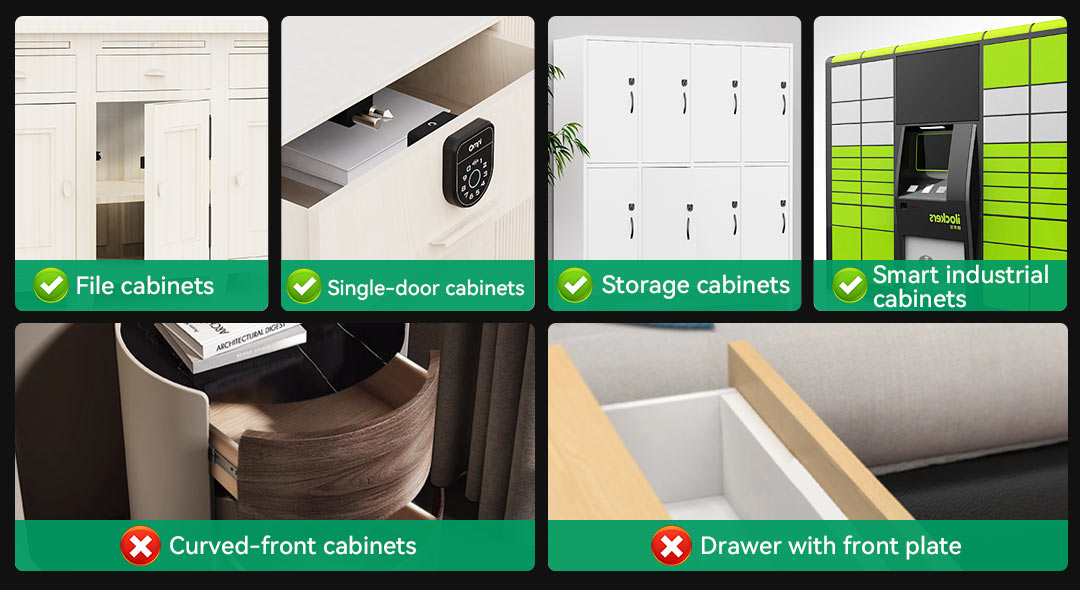
- OMNI's multi-access smart cabinet lock can be considered for various cabinet and locker applications, including:
- Smart Parcel Lockers: Provide convenient access for parcel collection and storage.
- Office Storage Cabinets: Support flexible access for employees and authorized users.
- Gym and Fitness Lockers: Offer convenient personal storage access for members.
- School Lockers: Provide alternative unlocking methods for students and staff.
- Commercial Storage Cabinets: Support different access preferences in shared environments.
- Residential Storage Lockers: Improve convenience for residents using shared storage facilities.
A Flexible Smart Lock Solution for Cabinet Manufacturers and Project Operators
As smart storage applications continue to expand, cabinet manufacturers and project operators need locking systems that offer more than basic locking and unlocking functions.
OMNI's multi-access smart cabinet lock combines password, RFID card, and fingerprint unlocking in one device, allowing projects to choose individual or combined access methods according to their needs.
Whether for smart parcel lockers, office storage cabinets, gym lockers, or other intelligent storage applications, flexible access configurations help create a more convenient and adaptable locker experience.
As an OEM and ODM manufacturer of smart locks and IoT devices, OMNI provides product customization and hardware development capabilities to support different smart cabinet projects.