


Why Is Wireless EV Bike Charging Station in High Demand for the Shared Mobility Market?
In the shared e-bike and e-scooter industry,most operators today still rely on manual battery swapping.Here’s how it works:
Operators deploy electric two-wheelers across urban streets for public use.
When the battery runs low,maintenance staff must physically visit each location to replace the battery and bring the depleted one back to a central charging hub.
This cycle of constant dispatching,battery hauling,and labor-intensive maintenance leads to high operating costs and low efficiency.
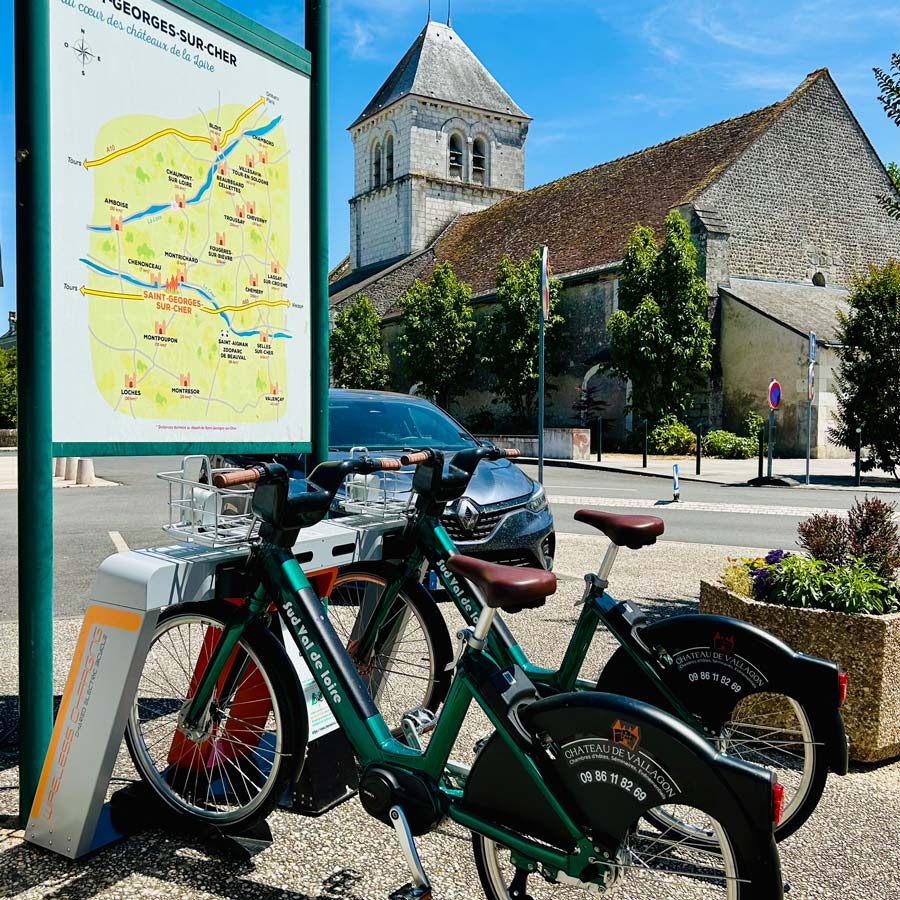
Challenges of Manual Battery Swapping
High labor costs:Especially in regions like Europe and North America where human resources are expensive,operations staff account for a large part of total expenses.
Delayed battery swaps:If the battery isn't changed in time,the vehicle goes offline,reducing usage rates and revenue.
Low operational efficiency:Too much human effort is tied to repetitive tasks,slowing business scale-up and fleet responsiveness.
The Solution:Wireless EV Bike Charging Station
To address these problems,operators are turning to wireless charging stations—a next-generation solution for smart mobility.
Vehicles automatically charge when docked,eliminating the need for manual battery swaps.
EV bike charging stations can be flexibly deployed in residential areas,business districts,or transport hubs.
Significantly reduce labor and dispatching costs,while increasing fleet uptime.
A greener,smarter infrastructure aligned with smart city and sustainability goals.
Users can simply scan to unlock a vehicle at the station,then return it to any other EV bike charging station(A,B,C,D,etc.)when the ride ends.
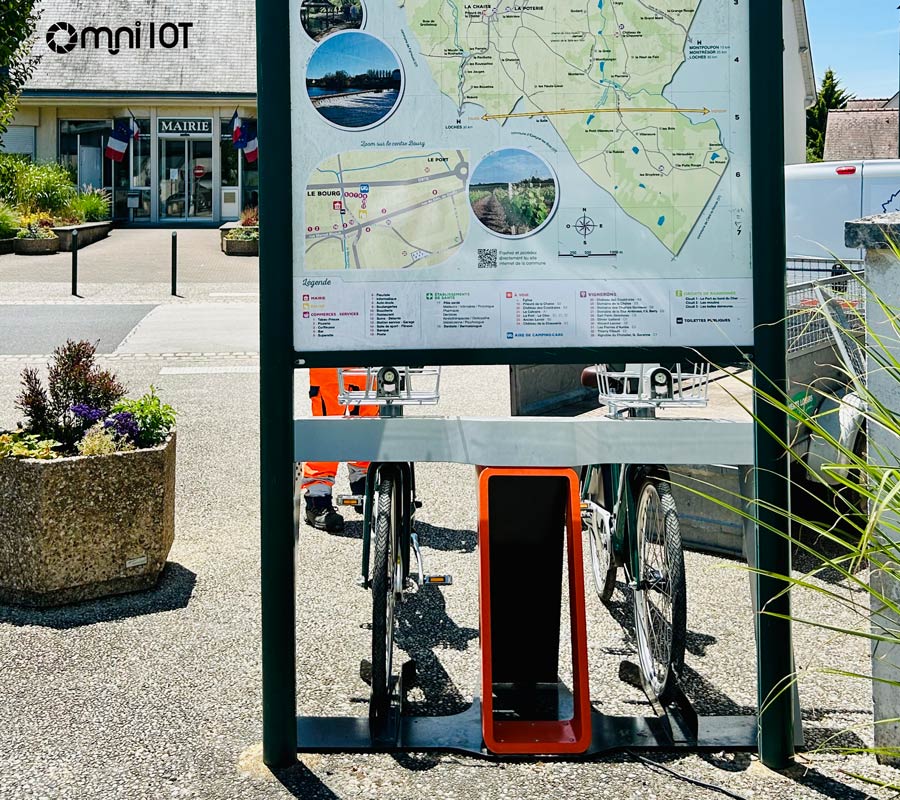
System Architecture
EV Bike Charging Station(TX Side):
Built-in TX transmitter module,fixed within the charging pile
Integrated mechanical dock lock to physically secure the vehicle
Embedded IoT module for real-time data transmission and remote control
Vehicle Side(RX Side):
RX receiver module mounted on the vehicle,with a hook lock at the front
Two wired connections:
One to the vehicle’s battery
One to the on-board IoT device
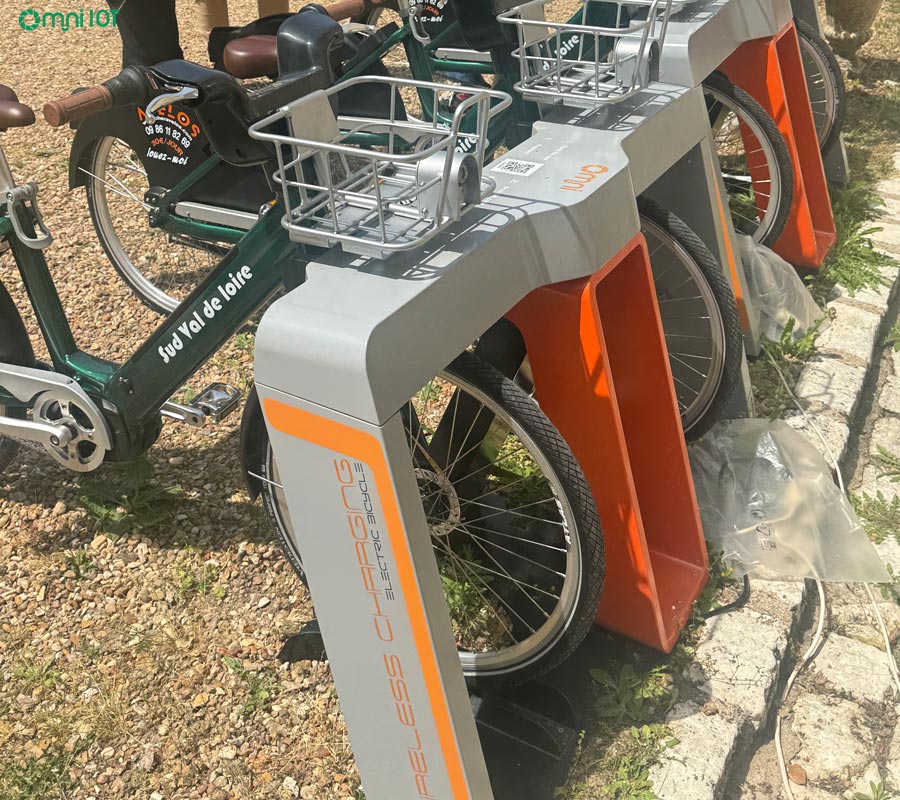
How It Works
Return/Dock
The rider pushes the vehicle into the EV bike charging station.The RX module contacts the TX module to establish a physical power connection for charging.
Auto-Lock
The hook on the RX module locks into the dock,physically securing the vehicle in place.
Begin Charging
Electricity flows from TX→RX→Battery automatically.No manual cables or plugs are required.
Charging Monitoring & Management
The station-side IoT module reports below details.
Whether a vehicle is docked
Charging time,battery level,and completion status
Any abnormalities(e.g.charging failure,contact issues)
Remote control of the locking mechanism if needed
User Experience&Unlocking
To ride,the user must scan the QR code at the charging dock to unlock the vehicle.
Without successful scan authorization,the vehicle remains locked and undrivable.
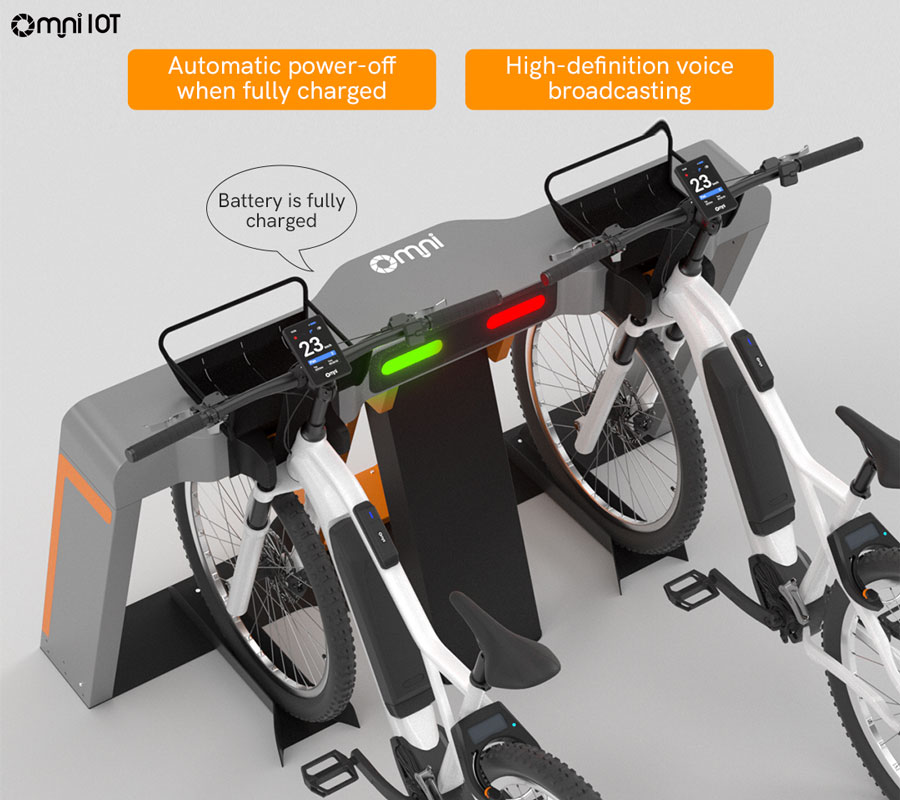
Why Does the Vehicle Still Need an IoT Module?
The on-board IoT device plays a critical role in managing the shared fleet.
Uploads real-time riding status,location,and trajectory
Supports mid-ride locking,rest stops,and issue reporting
Syncs with the backend platform for user authorization,billing,and fleet monitoring
System Advantages Summary
Dock&charge instantly,no manual work required
Lock+monitor ensures asset safety and reduces theft risk
Full IoT integration connects charging and fleet management in one system
Ideal for shared e-bikes on campus,park,hotels,tourist attractions,etc..and fixed-point fleet operations.